Is 3M Paint Protection Film Worth It for Highway Driving in Bangalore?
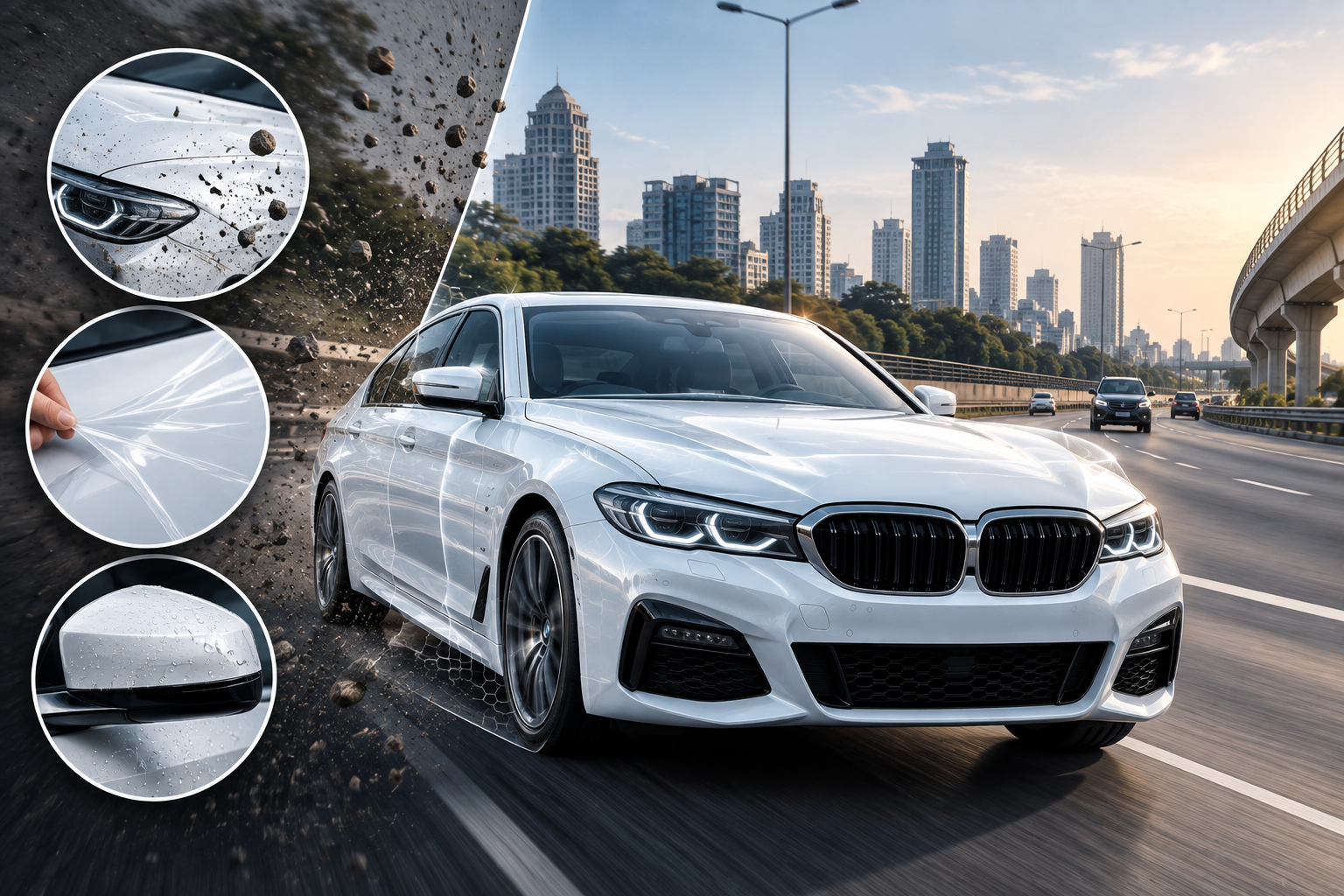
Highway driving gives you open roads and longer journeys, but it also exposes your car's exterior to conditions that are very different from everyday city driving. Loose stones, road debris, insects, dust, tar, and environmental contaminants can repeatedly hit or settle on the vehicle, particularly around the front bumper, bonnet, mirrors, and fenders.
For car owners who frequently travel outside the city, 3M Paint Protection Film can be considered as a preventive solution for protecting the original paint. Instead of waiting for stone chips, scratches, and stains to become visible, Paint Protection Film creates an additional physical barrier over vulnerable painted surfaces.
But is PPF really worth considering for highway driving around Bangalore? Let's understand where it helps, which parts of the vehicle need protection most, and whether it makes sense for your driving habits.
Why Highway Driving Can Be Tough on Your Car's Paint
When travelling at highway speeds, even relatively small particles can strike the exterior of your vehicle. A loose stone thrown up by another vehicle may hit the bonnet or bumper and leave behind a small paint chip.
Highway driving also means prolonged exposure to dust, insects, road tar, and changing weather conditions. Individually, these may seem minor, but repeated exposure can gradually affect the appearance of a well-maintained vehicle.
Some of the most exposed areas include:
- Front bumper
- Bonnet
- Front fenders
- ORVM or mirror covers
- Headlight surroundings
- Rocker panels
- Door edges
Using 3M Paint Protection Film on these vulnerable surfaces provides an additional layer between the road environment and the original automotive paint.
What Is 3M Paint Protection Film?
PPF is a transparent protective film installed over painted automotive surfaces. It is designed to protect the paint underneath without significantly changing the original appearance of the vehicle when a clear gloss film is selected.
Depending on the specific 3M PPF product, features can include self-healing technology for minor surface marks, stain resistance, high clarity, and protection against environmental exposure.
The film can be installed across an entire vehicle or only on selected high-impact panels.
For drivers who spend significant time on highways, this flexibility makes 3M Paint Protection Film particularly useful because protection can be concentrated on the areas that receive the greatest exposure.
How Does PPF Help During Highway Driving?
1. Protection Against Stone Chips
Stone chips are one of the most practical reasons to consider PPF for frequent highway use.
Small stones and loose road debris can be thrown backwards by vehicles travelling ahead. Your front bumper, bonnet, and fenders are often directly exposed.
PPF creates a physical protective layer that helps reduce direct impact on the underlying paint.
2. Protection Against Minor Scratches
Minor scratches can happen during both highway journeys and regular vehicle use. Some 3M PPF products use self-healing technology designed to allow minor surface scratches or marks in the film to disappear with heat.
This can help the exterior continue to look cleaner and better maintained.
3. Protection from Insect Contamination
Long highway journeys often result in insects accumulating across the bumper, bonnet, mirrors, and other front-facing areas.
Leaving organic contamination on automotive surfaces for extended periods is not ideal. A protective film creates another barrier between this contamination and the original paint.
4. Protection Against Road Tar and Stains
Road tar and other contaminants can become attached to lower body panels during long-distance driving.
3M Paint Protection Film is designed to provide resistance against road tar, stains, and several other contaminants that automotive surfaces may encounter.
5. Helps Preserve the Original Paint
Repeated highway trips can gradually leave small signs of wear on exposed paint.
PPF helps keep many everyday hazards from directly contacting the original painted surface. This can be especially valuable for owners who place a high priority on maintaining their vehicle's factory finish.
Which Parts of a Car Need PPF Most for Highway Use?
Not every owner necessarily needs full-body PPF.
If your main concern is highway-related stone chips and debris, protecting the highest-impact areas can be a practical approach.
Front Bumper
The bumper is one of the first surfaces exposed to flying stones, insects, dust, and road debris.
Bonnet
The bonnet has a large forward-facing painted surface, making it another important area for highway protection.
Front Fenders
Debris can strike the front fenders, particularly when travelling behind or alongside other vehicles.
Side Mirrors
Painted mirror covers are constantly exposed during highway driving and can benefit from additional protection.
Rocker Panels
Lower sections of the vehicle encounter dirt, stones, tar, and other road contamination.
Choosing 3M Paint Protection Film for these high-impact areas can provide targeted protection without necessarily covering every exterior panel.
Full-Body PPF vs Partial PPF for Highway Drivers
Your ideal coverage depends on how often you drive, where you travel, your vehicle's value, and how much protection you expect.
Partial PPF
Partial coverage focuses on vulnerable areas such as the bumper, bonnet, mirrors, and front fenders.
It may be suitable for drivers who primarily want protection against front-end highway exposure while keeping the coverage focused.
Full-Body PPF
Full-body coverage protects a much larger proportion of the vehicle's painted exterior.
It may be worth considering for premium or luxury vehicles, new cars, owners who travel extensively, or drivers who place a particularly high value on maintaining the original paint condition.
Is PPF Better Than Wax or Polish for Highway Protection?
Wax, polish, coatings, and PPF perform different functions.
Polishing primarily focuses on improving or correcting the appearance of the paint, while waxes and coatings can help with gloss, surface behaviour, and protection from certain environmental contaminants.
PPF is different because it provides a physical film over the paint.
When the primary concern is flying stones and minor physical impacts during highway driving, 3M Paint Protection Film offers a type of protection that ordinary wax or polishing cannot provide.
This does not necessarily make one treatment universally better than another. The right solution depends on what you are trying to protect against.
Is 3M PPF Worth It for a New Car?
PPF can be particularly appealing for new-car owners because the original paint is still in excellent condition.
Installing protection early means you are protecting the factory finish before repeated road exposure creates visible chips and marks.
It may be especially worth considering when:
- Your car is new or recently purchased
- You frequently drive on highways
- You own a premium or luxury vehicle
- Preserving original paint is important to you
- You plan to keep the vehicle for several years
- Your regular journeys involve significant highway mileage
In these situations, 3M Paint Protection Film can serve as preventive paint care rather than waiting to address visible damage later.
Does PPF Require Maintenance?
Yes. PPF reduces exposure to certain forms of damage, but it does not mean the vehicle becomes maintenance-free.
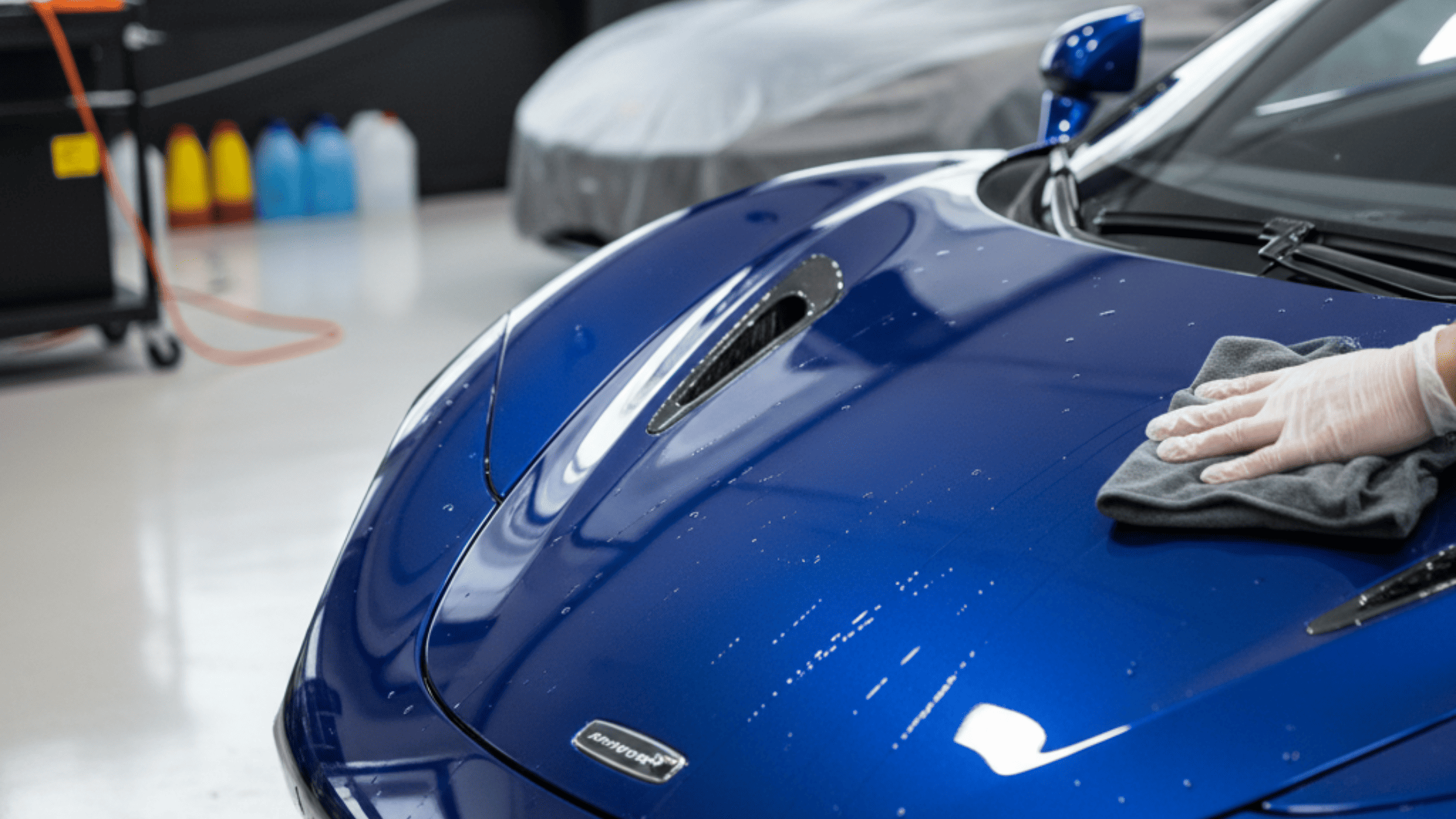
Regular washing remains important because dust, insects, bird droppings, and road grime will still accumulate on the film.
Use suitable automotive cleaning products and soft microfiber towels. Avoid aggressive cleaning techniques, and follow the care recommendations provided for the specific film installed.
It is also useful to periodically inspect film edges and surfaces, especially after extensive highway trips.
Why Professional PPF Installation Matters
PPF installation requires correct surface preparation and careful application around curves, corners, panel edges, and complex body shapes.
Poor application can result in bubbles, lifting edges, contamination underneath the film, or an uneven appearance.
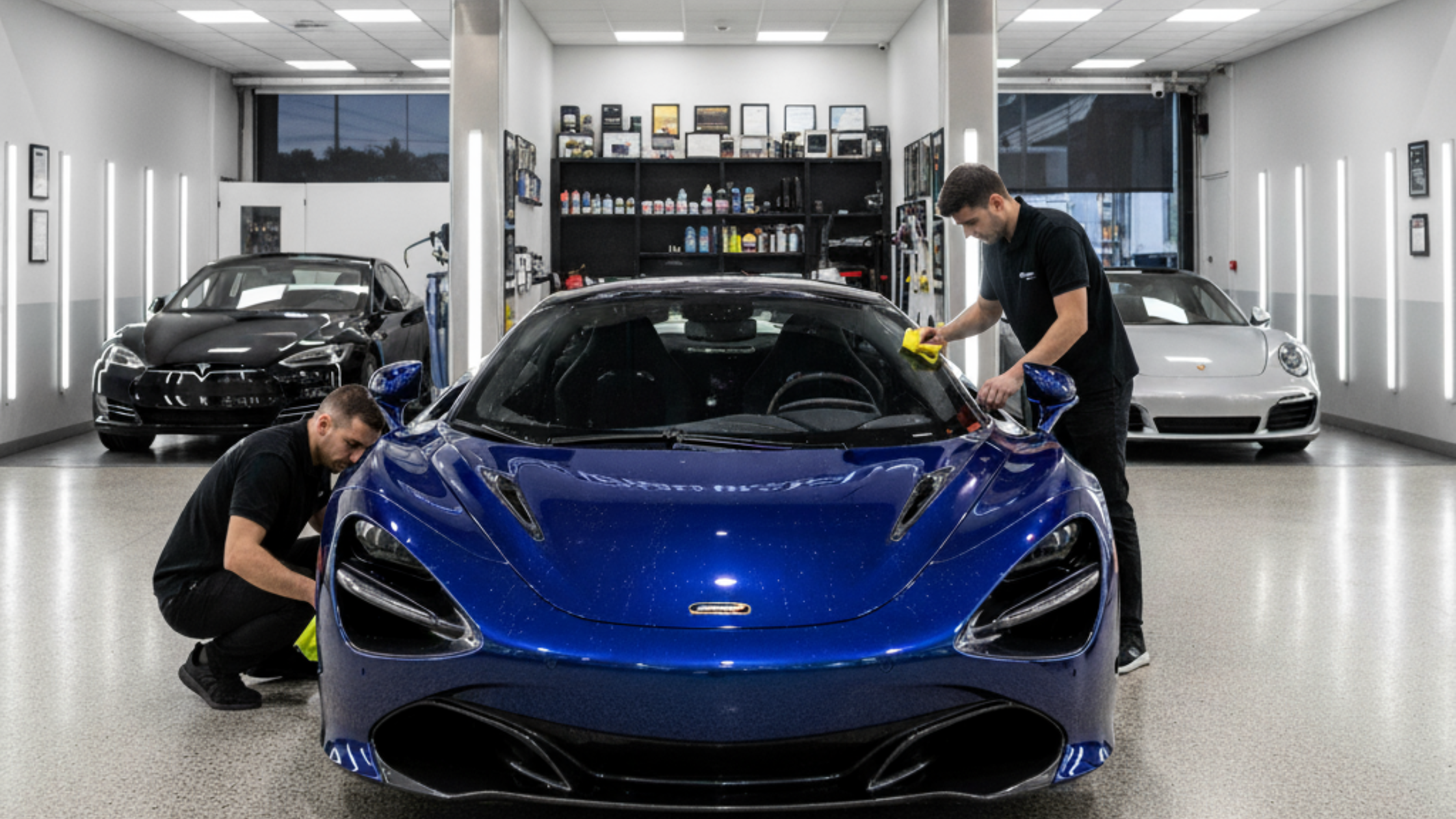
Professional installation is therefore an important part of getting the intended performance and appearance from 3M Paint Protection Film.
3M Car Care Studio Bangalore offers PPF solutions at its Nagasandra and Kanakapura Road locations, allowing car owners to discuss full-body or targeted protection according to their vehicle and driving requirements.
So, Is PPF Worth It for Bangalore Highway Driving?
For someone who rarely takes their car outside the city and is comfortable with normal paint wear, PPF may not always be the first priority.
However, the value proposition becomes stronger for drivers who regularly travel on highways, own newer or premium vehicles, or are particularly concerned about stone chips and maintaining the factory paint.
Highway exposure cannot be completely eliminated, but the amount of direct contact between road hazards and your original paint can be reduced.
Rather than asking whether every car needs PPF, a better question is whether your driving pattern creates enough paint exposure to justify additional protection.
For frequent highway drivers, the answer can often be yes.
Conclusion
Highway journeys expose your vehicle to loose stones, insects, road tar, scratches, stains, dust, and other environmental factors. Over thousands of kilometres, these small exposures can gradually affect the condition of automotive paint.
For owners who regularly drive between Bangalore and other destinations, 3M Paint Protection Film provides a practical additional layer designed to protect vulnerable painted surfaces.
Whether you choose targeted front-end protection or full-body coverage should depend on your driving frequency, vehicle value, budget, and expectations.
If maintaining the original paint is important to you, investing in protection before highway wear becomes visible can make more sense than waiting until the damage has already occurred.
Frequently Asked Questions
Is PPF useful if I frequently drive on highways?
Yes. PPF is particularly relevant for highway driving because exposed panels can encounter stone chips, road debris, insects, tar, scratches, and other contaminants.
Which car panels should I protect first for highway driving?
The front bumper, bonnet, front fenders, mirror covers, and rocker panels are among the areas worth considering because of their exposure to road debris.
Does PPF prevent every type of paint damage?
No. PPF provides additional protection but cannot make a vehicle completely damage-proof. Severe impacts, accidents, or deep cuts can still damage the film and potentially the paint underneath.
Can I install PPF only on the front of my car?
Yes. PPF can be applied selectively to high-impact areas instead of covering the entire vehicle. The appropriate coverage depends on your driving habits and protection requirements.
Is PPF worth considering for a brand-new car?
It can be particularly useful for a new car because protection is applied while the factory paint is still in good condition. This is especially relevant for vehicles that will frequently be driven on highways.