5 Early Signs of Rust Every Car Owner Should Watch For
Rust can begin in areas of a vehicle that owners rarely inspect. The underbody, wheel arches, panel edges, door seams and other exposed metal areas regularly encounter moisture, dirt and environmental contaminants. When protective layers become damaged, corrosion can gradually develop.
The challenge is that rust may initially appear insignificant. A small paint bubble or tiny brown mark can indicate activity beneath the surface. Identifying these warning signs early can help owners investigate the cause before corrosion becomes more extensive.
Along with regular inspections, anti-rust coating for cars can be considered as a preventive measure for vulnerable areas, particularly those frequently exposed to moisture and road contamination.
Why Does Rust Develop on Cars?
Rust occurs when iron-containing metal is exposed to oxygen and moisture, producing iron oxide. Vehicle manufacturers protect metal components using paint, primers, sealants and other protective layers, but these barriers can become damaged over time.
Stone chips, scratches and everyday road wear can expose metal. Moisture can then reach these areas and create conditions for corrosion.
The vehicle's underbody deserves particular attention because it regularly encounters water, dirt and road debris while remaining largely out of sight.
3M identifies corrosion protection as important to the long-term integrity of vehicle structures and recommends appropriate protection for both visible surfaces and areas underneath the vehicle.
Sign 1 - Small Brown or Reddish Spots
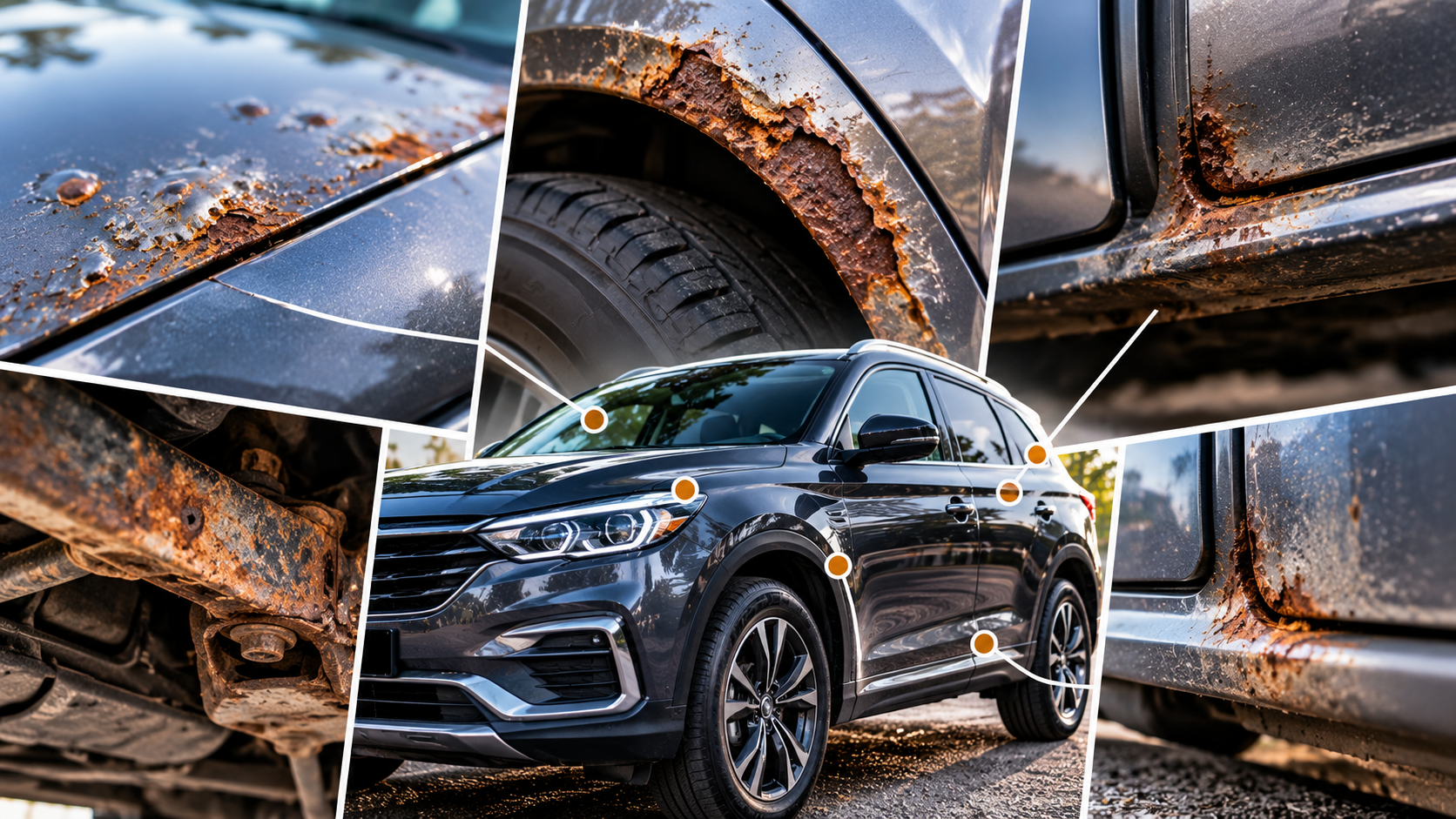
One of the easiest early signs to recognise is the appearance of small reddish-brown or orange marks on exposed metal.
These spots may appear around scratches, stone chips, wheel arches, panel edges or areas where the protective paint layer has been damaged.
At first, the affected area may appear very small. Ignoring it can allow corrosion to continue beneath or around the damaged protective layer.
Not every brown mark is necessarily rust, as dirt and other contamination can sometimes look similar. If a mark remains after proper cleaning or appears to originate from the metal itself, it should be inspected.
Considering anti-rust coating for cars before significant corrosion develops can help create an additional barrier on vulnerable areas against moisture and environmental exposure.
Sign 2 - Bubbling or Blistering Paint
Rust does not always begin as visible exposed metal.
Sometimes the first warning appears in the paint itself.
Small bubbles, raised areas or blisters can indicate that moisture has reached underneath the paint or protective coating. Corrosion may then begin developing beneath the visible surface.
Paint bubbling should not simply be polished or covered without investigating the cause. If corrosion exists underneath, cosmetic treatment alone will not address the underlying issue.
Door edges, wheel arches, lower body panels and areas around previous body repairs can be useful places to check periodically.
Early inspection can determine whether the problem is limited to the surface or requires more extensive attention.
Sign 3 - Rust Around Wheel Arches
Wheel arches experience demanding driving conditions because they are located close to the tyres and road surface.
Water, mud, dirt and small pieces of road debris can repeatedly strike these areas while driving. Over time, this exposure can affect protective surfaces, particularly if damage has already occurred.
Check around the edges of the wheel arches for discolouration, rough surfaces, bubbling paint or visible corrosion.
Cleaning these areas regularly can also make changes easier to identify.
Professional anti-rust coating for cars may include attention to vulnerable areas such as wheel arches and underbody sections. The client's 3M Anti-Corrosion Treatment page specifically identifies wheel arches among the critical areas addressed during application.
Sign 4 - Corrosion on the Underbody
The underbody is one of the most important areas to inspect because corrosion can develop without being immediately visible to the vehicle owner.
Road water, dirt and other contaminants repeatedly reach components underneath the vehicle. Stone impacts and general wear can also affect existing protective coatings.
Look for visible surface rust, flaking material, damaged protective coating or areas where exposed metal has changed colour.
Because inspecting underneath a vehicle can be difficult without suitable equipment, professional inspection may provide a clearer view of areas that are difficult to see during routine cleaning.
3M's corrosion-protection guidance includes undercoating procedures intended to help protect non-visible vehicle areas against corrosion.
Sign 5 - Rust Around Doors, Seams and Panel Edges
Vehicle panels contain edges, joints and seams where moisture and contamination can collect.
The bottoms of doors, panel joints, boot edges and similar areas may not receive as much attention during routine car washing as larger painted surfaces.
Over time, small rust spots can begin around these sections.
Owners should periodically inspect panel edges for colour changes, bubbling, roughness or signs that the protective coating has deteriorated.
Anti-rust coating for cars can help provide preventive protection in suitable vulnerable areas, but existing rust should first be properly evaluated. Applying a protective product over untreated corrosion does not automatically correct damage that has already occurred.
Why Early Rust Detection Matters
Corrosion can progress from a small surface issue into a more complicated repair when left untreated.
Early detection provides an opportunity to identify why the protective surface failed and determine the appropriate corrective action.
This can be especially important for areas affecting structural components or places that are difficult to inspect regularly.
Routine cleaning also helps because heavy mud and contamination can hide early warning signs.
Car owners should therefore combine regular washing with periodic visual inspections rather than waiting until obvious rust patches become visible.
How Anti-Rust Treatment Helps
Anti-corrosion treatments are designed to create a protective barrier between vulnerable vehicle surfaces and environmental exposure.
The 3M Car Care Studio Bangalore website describes its Anti-Corrosion Treatment as protection for areas including the underbody, chassis, wheel arches, doors and seams. The treatment is designed to provide a barrier against moisture, salts and environmental conditions.
Anti-rust coating for cars is primarily a preventive measure. It is most effective as part of a broader maintenance approach rather than as a substitute for repairing severely corroded metal.
The condition of the vehicle should therefore be inspected before treatment so existing corrosion can be identified appropriately.
When Should You Inspect Your Car for Rust?
There is no need to wait until visible corrosion becomes obvious.
Checking the vehicle periodically can help identify small changes early, especially after extended exposure to rain, muddy roads or other harsh conditions.
Inspections can also be useful when buying a used car. A vehicle may appear clean externally while having corrosion developing underneath or around less visible panel sections.
Owners considering anti-rust coating for cars can have these vulnerable areas inspected before application to understand the existing condition of the vehicle.
Can Regular Washing Prevent Rust?
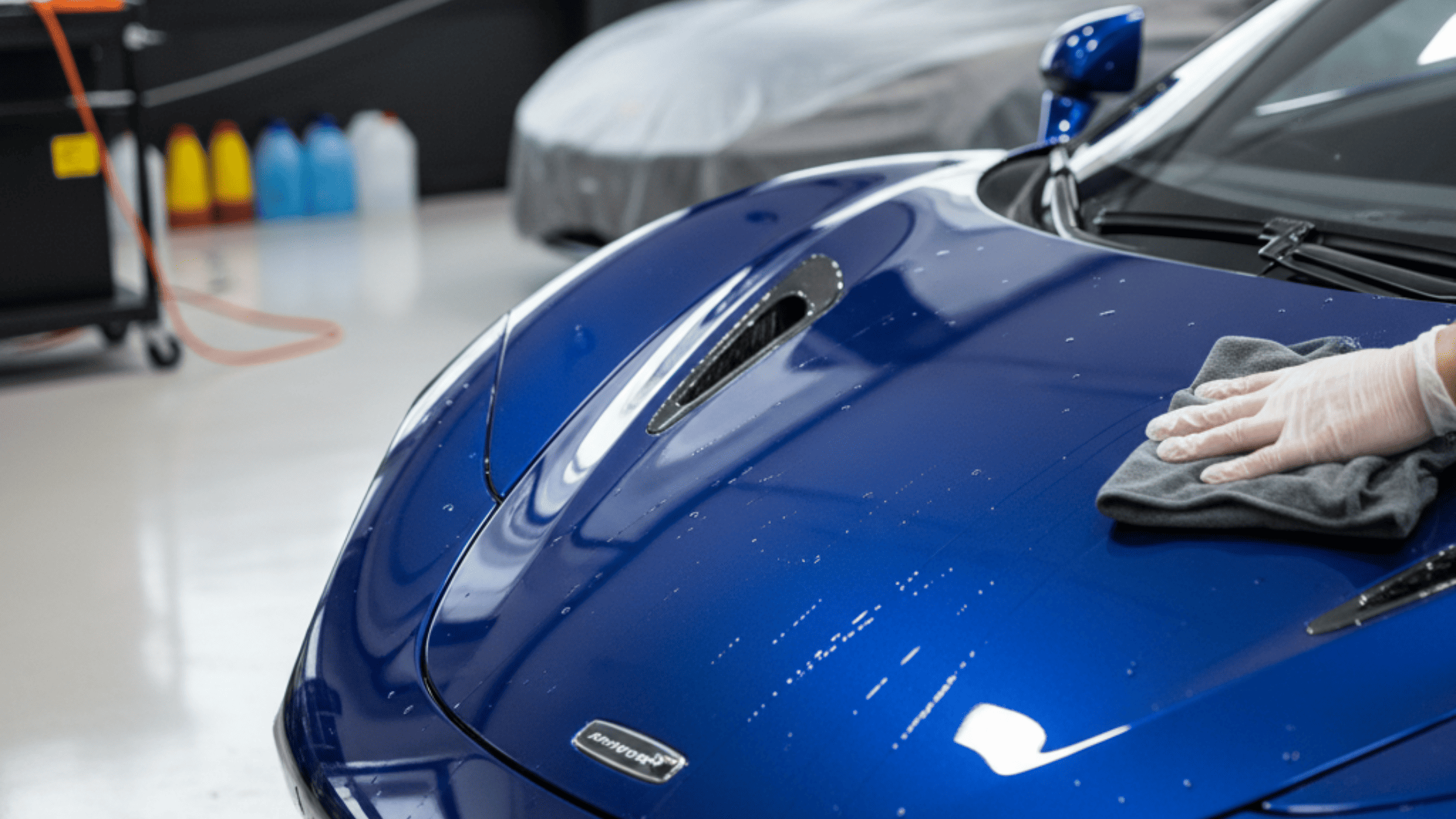
Regular washing is useful because it removes dirt, mud and contaminants that can remain on vehicle surfaces.
However, washing alone cannot guarantee that rust will never develop. Paint chips, damaged coatings and hidden areas can still expose metal to moisture.
The vehicle should also be dried appropriately after cleaning, and drainage areas should remain clear so water does not remain trapped unnecessarily.
Combining regular cleaning with paint maintenance, inspection and appropriate corrosion protection provides a more complete approach to vehicle care.
Why Professional Anti-Corrosion Application Matters
Anti-corrosion treatment requires more than simply applying material underneath a car.
The surface needs to be assessed and prepared appropriately so that the protective treatment can perform as intended. Areas requiring attention can differ according to the vehicle's condition, age and previous protection.
3M's technical information for its automotive underbody coatings describes products designed to provide corrosion and weathering resistance while remaining tough and flexible after drying.
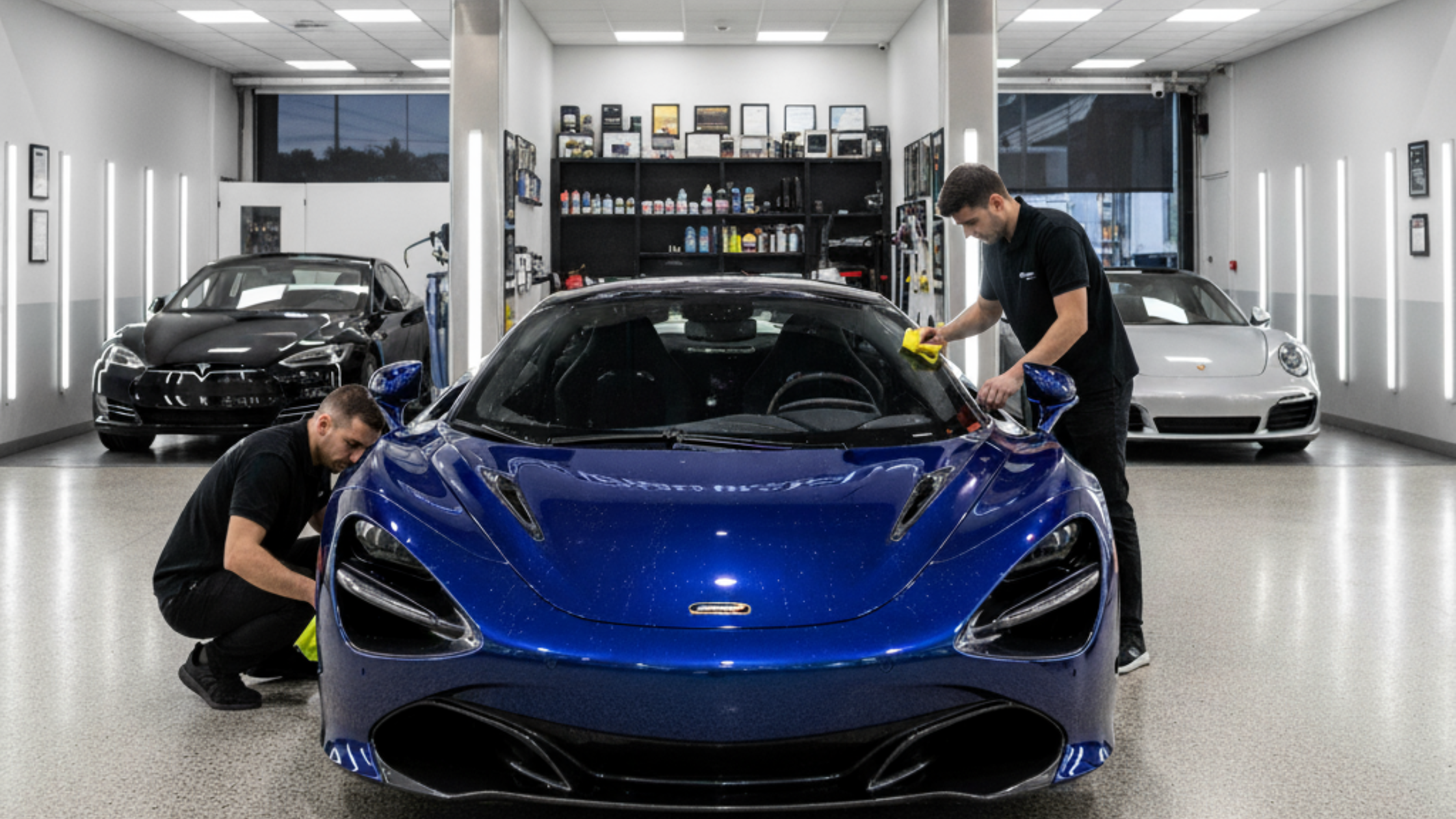
Professional anti-rust coating for cars allows the vehicle to be inspected and the treatment applied to appropriate vulnerable areas rather than relying on an uncontrolled DIY application.
Conclusion
Rust rarely becomes a major problem overnight. In many cases, there are early warning signs that car owners can identify through regular inspection.
Small brown spots, bubbling paint, corrosion around wheel arches, underbody deterioration and rust around seams or panel edges should not be ignored.
Routine cleaning can help keep these areas visible, while timely inspection can determine whether repair or preventive treatment is required.
For vehicles exposed regularly to moisture, road grime and changing weather conditions, anti-rust coating for cars can provide an additional protective barrier for vulnerable areas. The most effective approach is to identify existing corrosion early, address damage appropriately and use preventive protection before rust becomes more extensive.
Frequently Asked Questions
1. What is the first sign of rust on a car?
Small reddish-brown spots, paint discolouration or bubbling around damaged paint can be early warning signs. Wheel arches, door edges and panel seams are useful areas to inspect.
2. Can rust develop underneath a car without being visible?
Yes. The underbody is continuously exposed to moisture, dirt and road debris, and corrosion can develop in areas that are difficult to see during everyday use.
3. Can anti-rust coating be applied over existing rust?
Existing corrosion should first be inspected and appropriately treated. Simply covering significant rust with a protective coating does not repair the damaged metal underneath.
4. Do new cars need anti-corrosion protection?
Modern cars already have factory corrosion protection, but additional treatment may be considered depending on the vehicle, usage conditions, exposed areas and the owner's long-term maintenance requirements.
5. Which areas of a car are most vulnerable to rust?
The underbody, chassis, wheel arches, door edges, seams and areas where paint or protective coatings have been damaged can be particularly vulnerable to moisture and environmental exposure.